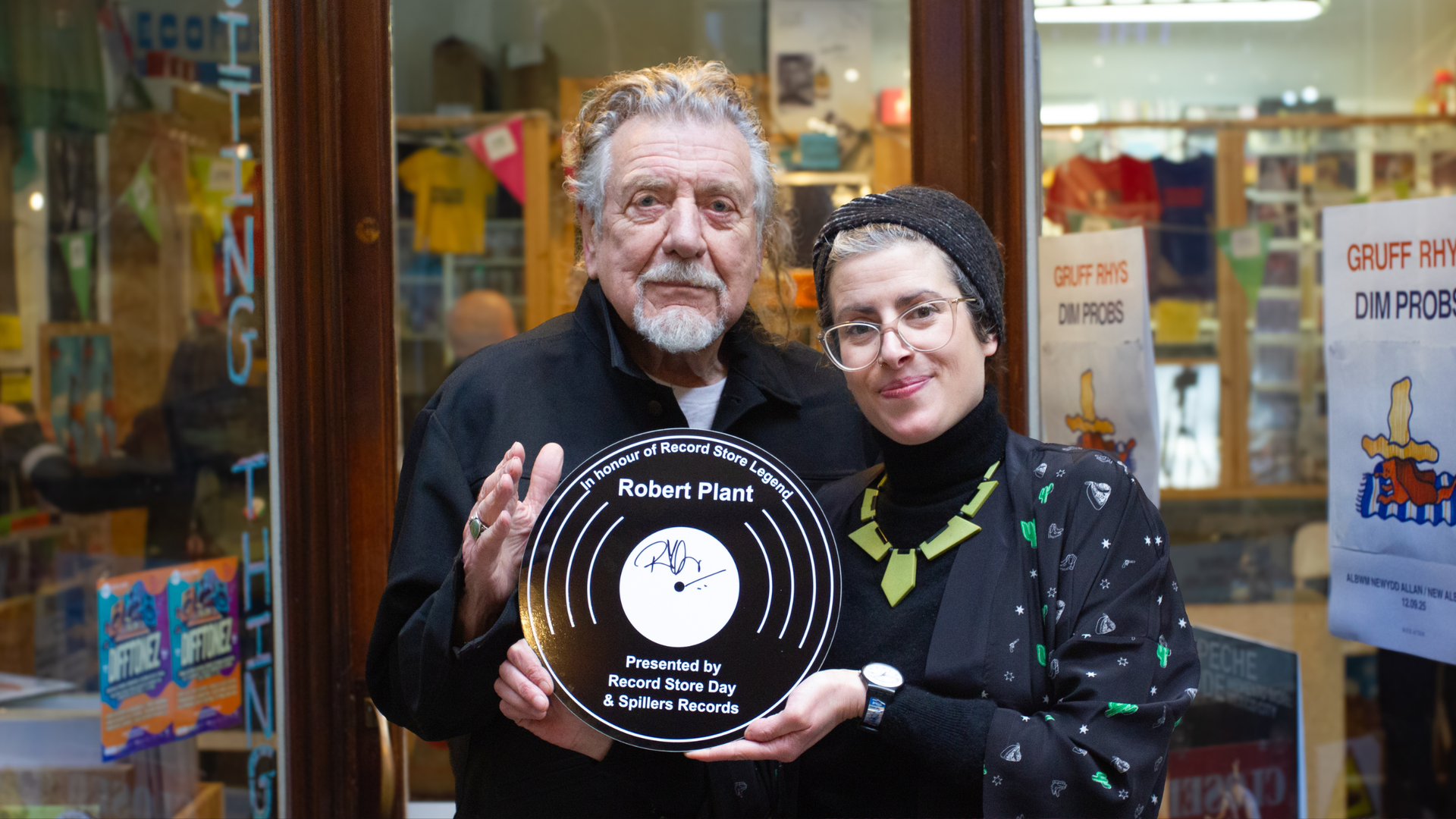
The Enduring Mystery: Searching for a Robert Plant Cardiff Plaque
For fans of legendary rock music, particularly those captivated by the iconic voice of Robert Plant, the idea of a commemorative plaque in a city with a rich musical heritage like Cardiff is incredibly appealing. Robert Plant, frontman of Led Zeppelin and a formidable solo artist, has left an indelible mark on music history. Cities often honor such figures with plaques, statues, or dedicated memorials, marking significant locations tied to their lives or careers. Naturally, the search query "Robert Plant Cardiff Plaque" arises from this very expectation: a desire to connect physically with the places that bear witness to a rock god's journey.
However, despite the strong interest and the logical assumption, a detailed investigation into the existence of a definitive Robert Plant Cardiff Plaque reveals a conspicuous absence of verifiable information. This article delves into this intriguing void, exploring why information might be missing, what Plant's actual connections to Wales are, and how fans can still appreciate his legacy within the context of Cardiff's vibrant musical tapestry.
Unravelling the Enigma: The Elusive Robert Plant Cardiff Plaque
When embarking on a quest for information about a specific commemorative plaque, one would typically expect a wealth of online results: official announcements, news articles, fan photographs, or entries on local heritage websites. Yet, for a Robert Plant Cardiff Plaque, the digital landscape is strikingly barren. Our own research, aligning with observations from various sources, repeatedly points to a significant gap in accessible information. It appears the digital ether, for all its vastness, holds no readily verifiable details about a dedicated Robert Plant Cardiff Plaque.
The sources that *do* surface when digging deep into this topic are often unhelpful, leading to unrelated content or security verification pages, as highlighted in the provided context. This experience underscores the challenge faced by anyone hoping to pinpoint such a memorial. It's a prime example of how even in the age of information, specific historical or cultural details can remain elusive or simply non-existent online. For a deeper dive into the difficulties encountered, you might find No Robert Plant Cardiff Plaque Info: Beyond Security Pages an insightful read.
What We Don't Find: Beyond the Empty Search Results
- No Official Records: Checks with Cardiff Council's heritage departments, local historical societies, or official music heritage trusts do not yield any public records of a plaque dedicated specifically to Robert Plant.
- Absence in Fan Forums: While fan communities often share details of memorials or significant sites, there's no widespread discussion or photographic evidence of a Robert Plant Cardiff Plaque.
- Lack of Media Coverage: Major news outlets, local Cardiff papers, or music publications haven't reported on the unveiling or existence of such a plaque.
This persistent lack of evidence suggests a strong possibility that a formal, publicly recognized Robert Plant Cardiff Plaque simply does not exist at present.
Robert Plant's Welsh Connections and Cardiff's Musical Heritage
While the search for a plaque might prove fruitless, it doesn't diminish Robert Plant's significant connection to Wales, nor Cardiff's pivotal role in the UK's musical landscape. Understanding these ties helps contextualize why a plaque *would* be a logical assumption for many fans.
Robert Plant himself has strong Welsh roots; his mother was Welsh, grounding him with a personal connection to the nation. Beyond personal heritage, Cardiff was a frequent and important stop for Led Zeppelin during their touring years. The band played several memorable concerts in the city, electrifying audiences at venues like Sophia Gardens Pavilion and the Capitol Theatre. These performances cemented Cardiff as a crucial location in Led Zeppelin's storied history.
Cardiff, as the capital of Wales, has always been a hub for music, arts, and culture. From its thriving grassroots scene to hosting major international acts, the city boasts a rich musical tapestry. It has witnessed countless legendary performances and nurtured local talent that went on to achieve global fame. It is precisely this vibrant history and the city's connection to Plant's career that fuels the expectation of a commemorative plaque.
Why the Silence? Possible Reasons for the Missing Plaque Information
The absence of information regarding a Robert Plant Cardiff Plaque can be attributed to several factors. It's not uncommon for specific historical details to be difficult to trace, especially if they fall outside mainstream documentation channels.
- The Plaque Simply Doesn't Exist (Yet): The most straightforward explanation is that, despite Plant's immense legacy and his ties to Cardiff, a dedicated plaque has not been commissioned or installed. While his performances in the city were significant, perhaps other figures or events have taken precedence for commemoration efforts.
- Unofficial or Private Commemoration: It's conceivable that a very niche, private, or informal commemoration exists that isn't publicly documented. This could be within a specific venue, a private collection, or a local club, not intended for wide public viewing or formal recognition.
- Misinformation or Urban Legend: Sometimes, strong desires manifest as perceived realities. The idea of a Robert Plant Cardiff Plaque might be a misconception or an urban legend born out of genuine fan enthusiasm and a belief that such a legend *should* be honored.
- Information Resides in Undigitized Local Archives: In an increasingly digital world, we often forget that not all historical records are online. Information about smaller, local initiatives or even proposed, but unrealised, projects might still be confined to physical archives within local libraries, historical societies, or council records. This can make online searches incredibly challenging, as detailed in Searching for Robert Plant Cardiff Plaque: Why Data is Missing.
- Confusion with Other Plaques: It's possible that a different plaque, perhaps commemorating Led Zeppelin as a band, or a more general Welsh music heritage plaque, is being conflated with a specific Robert Plant one.
Understanding these possibilities helps manage expectations and guides future research efforts.
Beyond the Plaque: Exploring Robert Plant's Legacy in Wales
Even without a physical Robert Plant Cardiff Plaque, fans can still connect with his legacy and the rich musical history of Cardiff and Wales. Engaging with history isn't solely about finding specific memorials; it's about experiencing the places and understanding the context.
- Visit Historic Venues: While the Capitol Theatre (where Led Zeppelin played) has been demolished, the site itself holds historical significance. Exploring other historic music venues in Cardiff can evoke the atmosphere of the times Plant and other rock legends performed there.
- Explore Welsh Music Heritage: Delve into the broader history of Welsh music. Many musicians and bands from Wales have made significant contributions, and understanding this context enriches the appreciation for Plant's own heritage.
- Engage with Local History: Contact local historical societies or the Cardiff Story Museum. They might have archives, photographs, or anecdotal information about Led Zeppelin's performances in the city, or general Welsh musical heritage that could indirectly shed light on the era Plant was active.
- Connect with Fan Communities: While official information might be scarce, dedicated fan groups and forums can sometimes offer anecdotal evidence or personal memories that provide a unique perspective, though these should always be cross-referenced with more official sources where possible.
Tips for Verifying Musical Heritage and Commemorative Plaques
For anyone seeking to verify the existence of a commemorative plaque for a musician or historical figure, here are some actionable tips:
- Start with Official Sources: Always prioritize local council websites, heritage trusts (e.g., Cadw in Wales, English Heritage), and official tourism boards. These bodies are responsible for approving and documenting public plaques.
- Consult Local Libraries and Archives: Librarians and archivists are invaluable resources. They often have access to local newspapers, historical photographs, and records that may not be digitized.
- Cross-Reference Information: Never rely on a single source. If you find a mention of a plaque, try to corroborate it with at least two independent, reputable sources.
- Look for Inauguration News: Plaques are often unveiled with some ceremony, which usually generates local news coverage. Search historical newspaper archives for "Robert Plant Cardiff plaque unveiling" or similar phrases from relevant time periods.
- Utilize Mapping Tools: Google Maps and Street View can sometimes reveal physical plaques if they are publicly accessible and prominent enough to be captured.
- Beware of Unverified Information: On social media or less reputable websites, information can spread quickly without proper verification. Always be critical of what you find.
In conclusion, while the idea of a Robert Plant Cardiff Plaque is an appealing one, current, verifiable information strongly suggests its absence. This exploration highlights the challenges of historical research, especially when dealing with specific, potentially non-existent memorials in the digital age. Robert Plant's legacy in Cardiff and Wales remains strong through his performances and heritage, inviting fans to explore the broader musical history rather than focusing solely on an elusive plaque. The quest for such a memorial ultimately underscores the deep connection fans feel to their idols and the desire to see their contributions physically recognized in significant locations.